VIGILS
Color, from applied to grown
Humans manufacture pigment from petroleum; nature grows color from life itself. Color patterning in nature is orchestrated at the cellular level, where instructions encoded in DNA drive gene expression, governing cellular identity and structure, alongside pigment production. The cell reads a chemical coordinate and acts out what its position calls for: the stripe of a tiger's flank, the spiral of a sunflower head, the swirl of a fingerprint. This logic, operating from the molecular to the macro scale, underlies exquisite spatial control, complexity, and beauty.
Research team: Olivia Depies, Kaylen Hunte, Ben Light, Xavier Lopez, Jessy Lu, Julia Martinez, Neri Oxman, Marcus Walker.
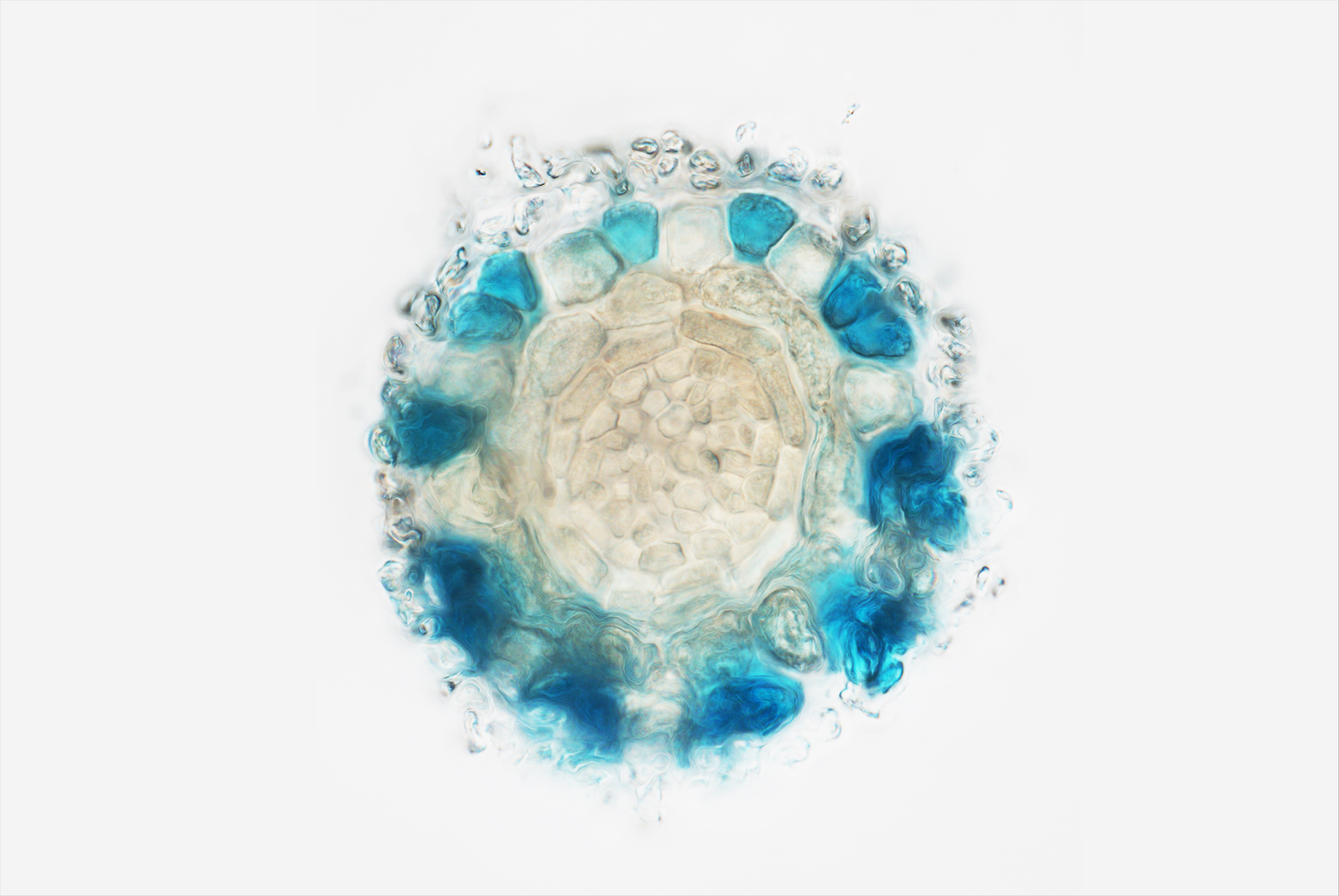
Speck, mottle and bloom. Pigment is our first intervention, but it is not the last. Our framework for designing spatial color is written, like all biological processes, in genetic code and therefore extensible. This very same architecture can be applied to direct biomineralization, enzymatic crosslinking, or the secretion of functional proteins – transforming textiles and garments from sterile objects into programmable sites of biological engineering and design.
Phenotype over prototype. Where industrial uniformity demands repetition, microbial engineering offers variation. Every textile becomes a singular expression of a genetic program expressing unique material landscapes.
Position
Petrochemical products have shaped a century of garment and textile. The sheen of polyester, the compressive shape of spandex and lycra, the hue of synthetic dye. The instability of the current coloring paradigm is self-evident; pigments derived from petrochemical feedstocks pollute the environment through their synthesis, their application, and their discardment. Meanwhile, biological systems demonstrate exquisite molecular control in the creation of material. They assemble complex molecules from simple building blocks, generating hierarchical spatial properties and functional diversity, at ambient temperature, without toxicity, without waste.
Nature's capability does not immediately equal human utility; products of mycelium leather and engineered spider silk have struggled to establish themselves as objects of desire. We persist in biological co-creation for the creation of human value.
Biomaterials are not merely sustainable alternatives to petrochemical incumbents. By engineering living systems to grow color on whole cloth, we embed biology into the depths of design. The programmed gene expression of microorganisms becomes the selfsame expression of aesthetic intent. The design of our textile is evidence and imprint of biological lifeforms.
Platform
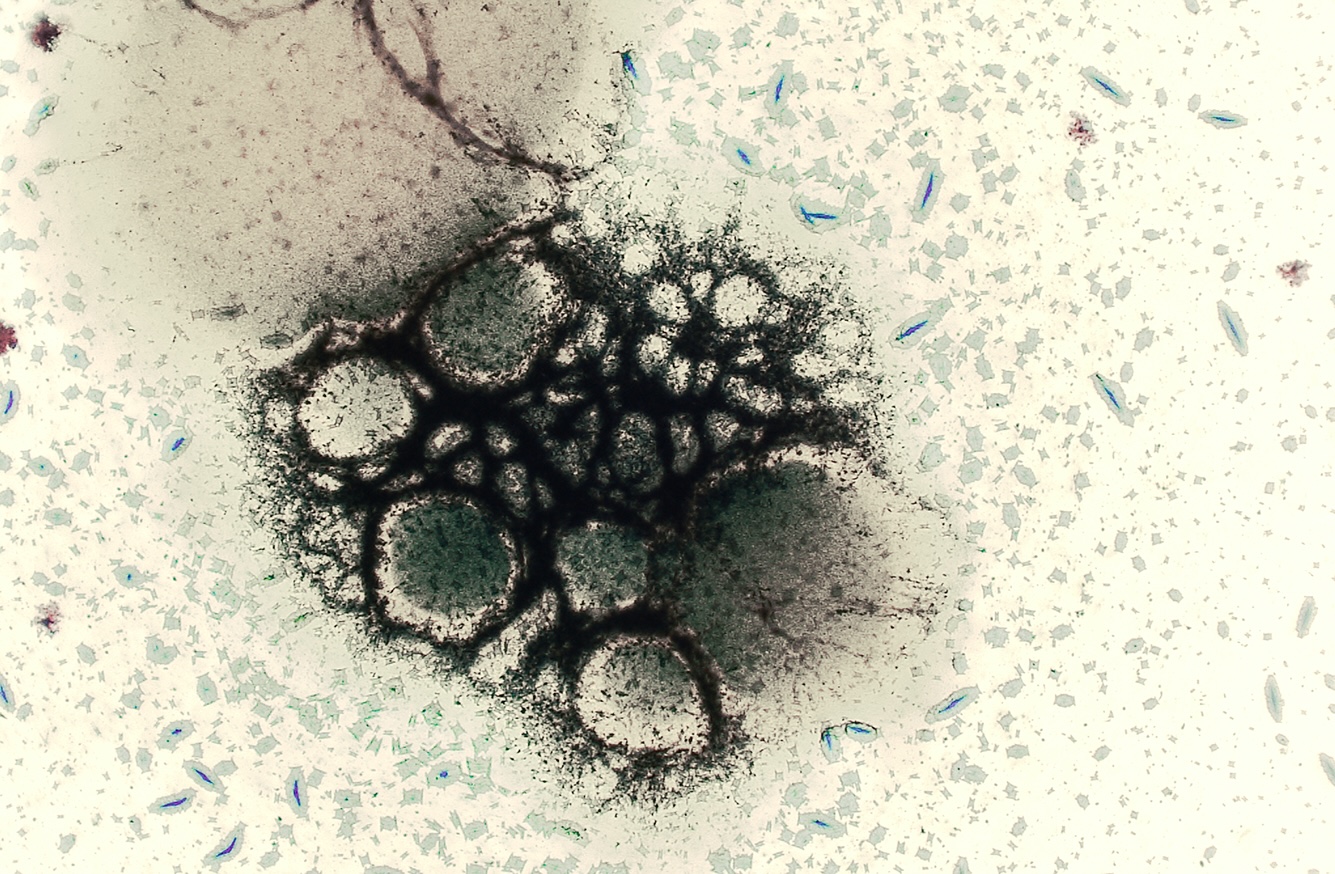
Hybrid Living Textiles. The platform is a sister and successor to Hybrid Living Materials, a framework embodied by Vespers I, II, & III, wherein UV-curable resin acts as substrate for engineered microorganisms to produce pigment spatially. Vespers, mask. Vigils, shroud.
Where Hybrid Living Materials brought biology to the printed object, rendered hard and rigid, Hybrid Living Textiles renders biology soft, with drape. Both relics bear the insignia of the lifeforms that produced them.
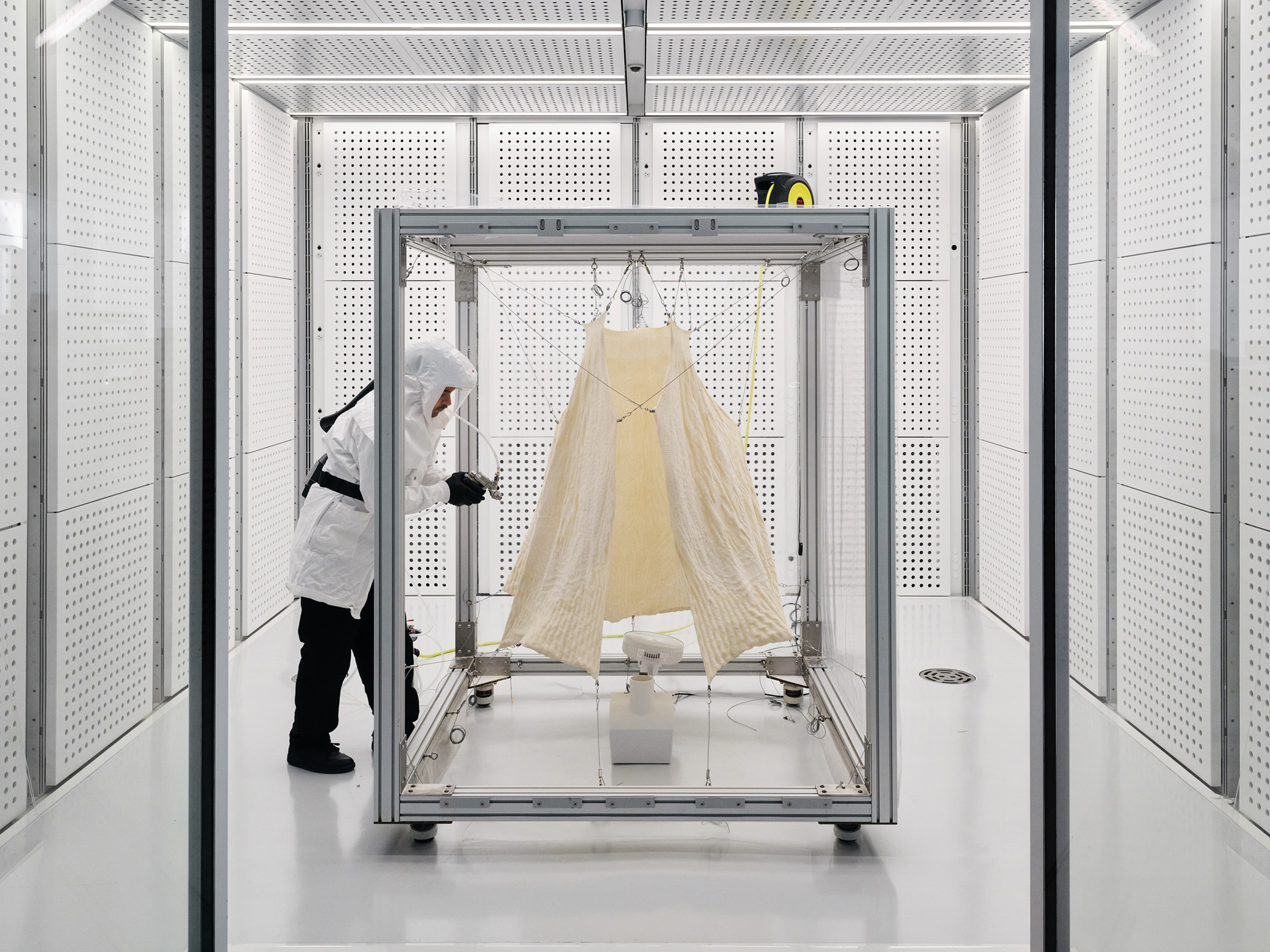
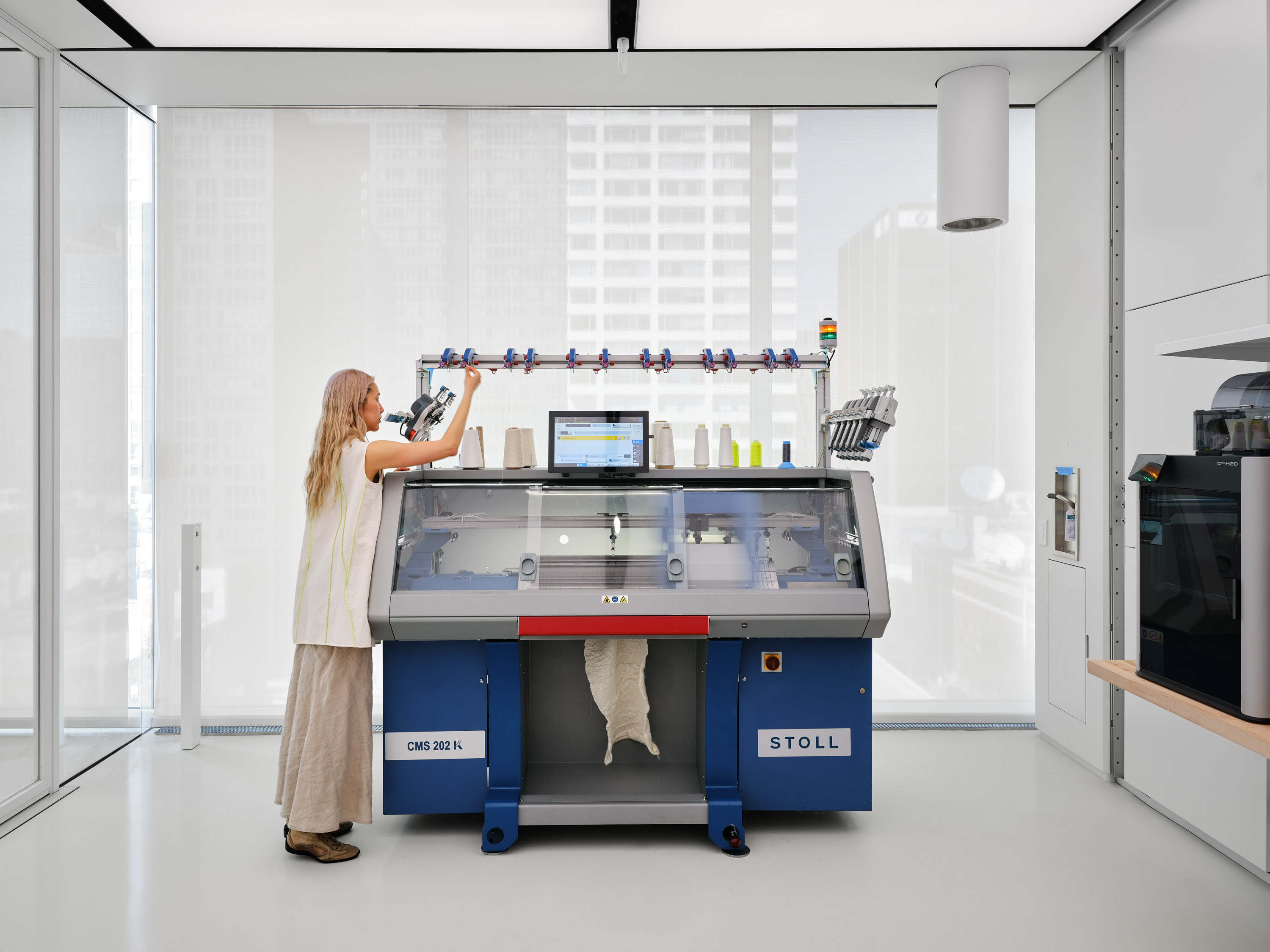
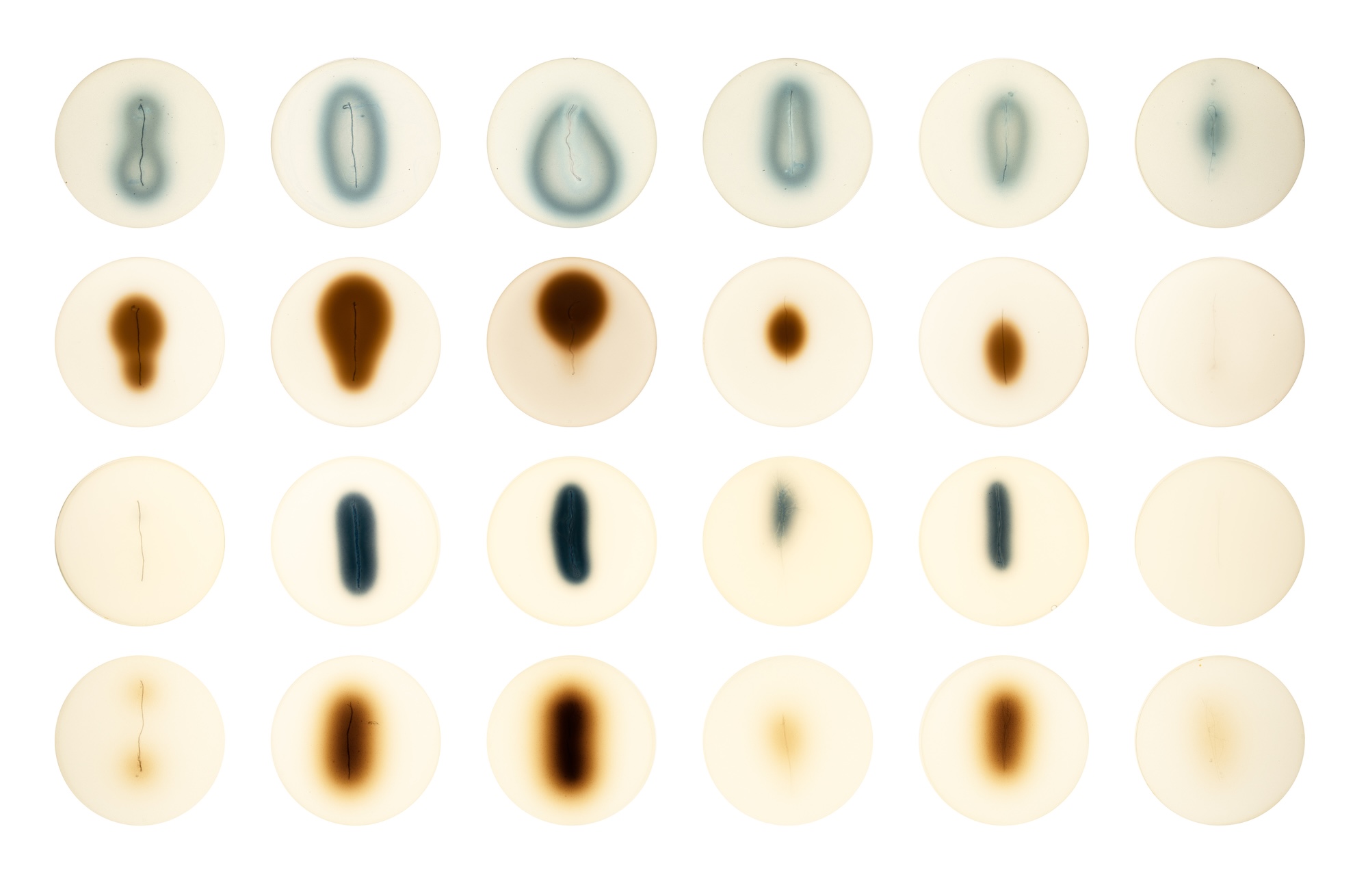
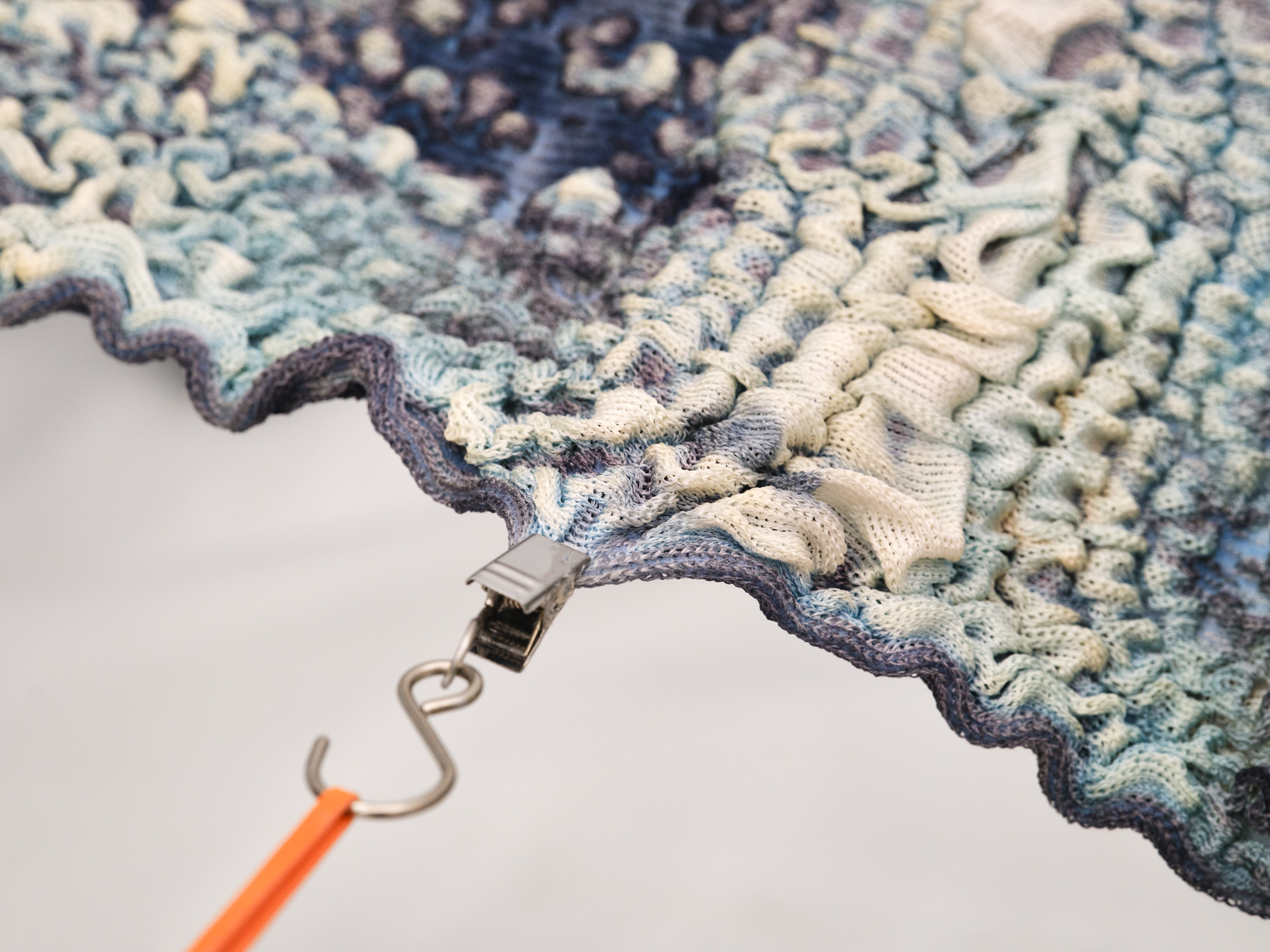
A 3D-knitted construct provides an architecture of fibers onto which cells can grow, sense their environment, and deposit material locally and globally. By growing bacteria directly on the surface of textile as scaffold, we empower design to leverage synthetic biology and textile fabrication in the creation of expressions only possible through living systems.
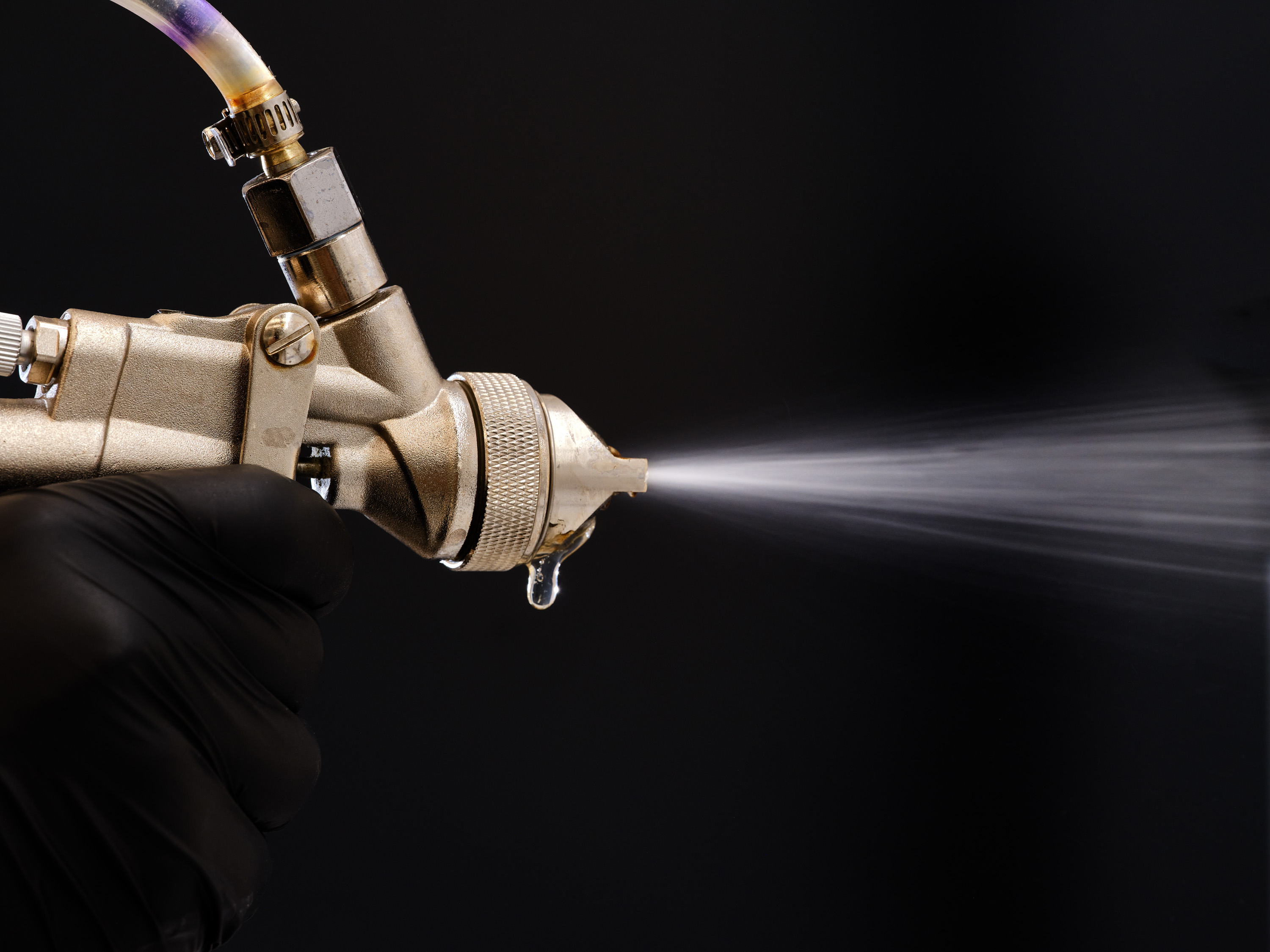
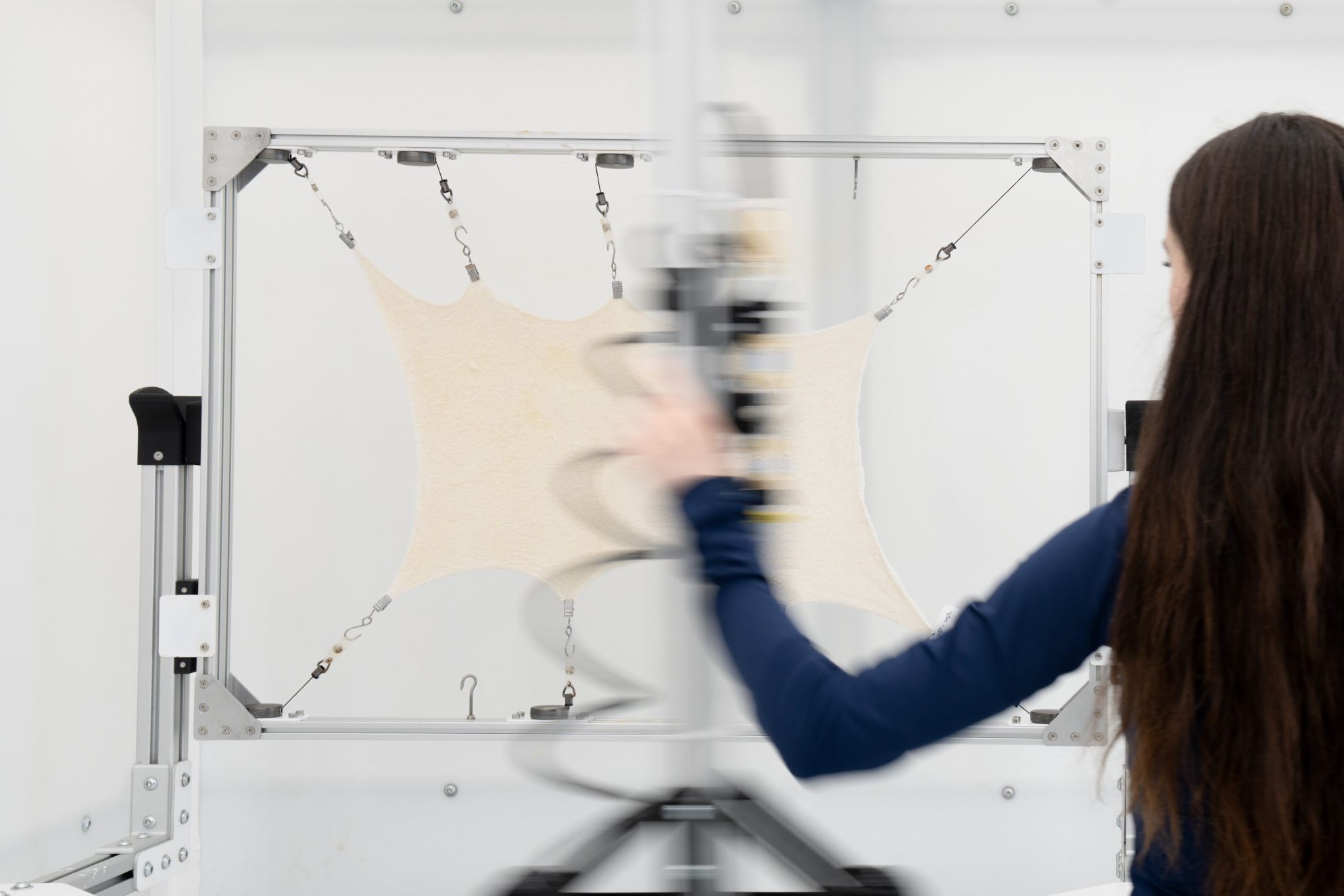
Platform Details
All living organisms share a common vernacular of DNA, RNA, and proteins; a finite set of elements whose conversion and interaction produce infinite variation. We, as humans, attempt to learn and apply this common vernacular toward our own outcomes, often within, and simultaneously to, a living organism carrying out their own.
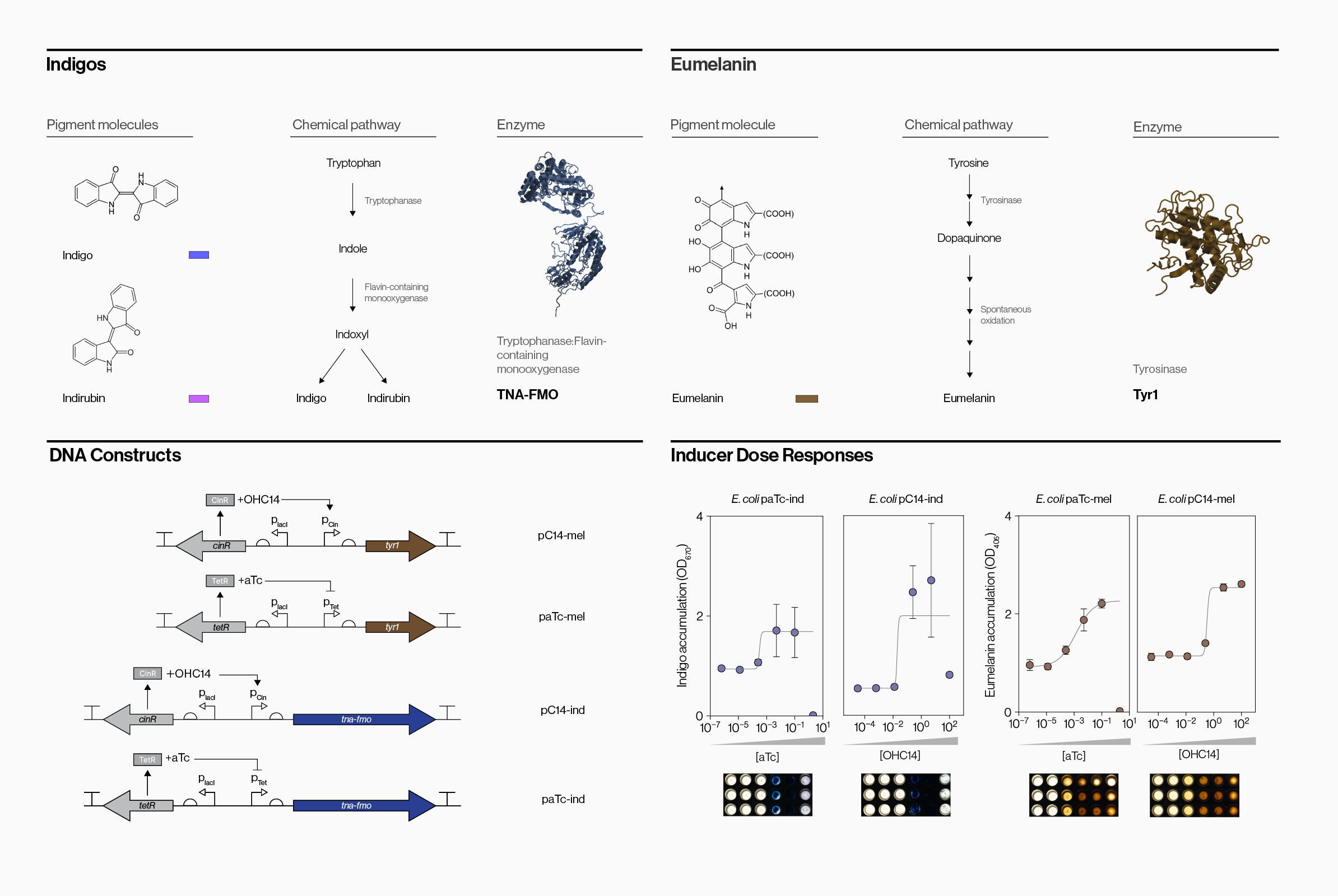
Synthetic biology, our application of engineering principles to biological systems, is a field directed to nearly every domain of material life. From customized therapeutics, where drugs and vaccines are biosynthesized, and tissues and organs are grown in the lab, to agriculture, where organisms fix carbon or remediate degraded soil.
We start with Escherichia coli, the workhorse of synthetic biology. The protein-based sensor is a common motif in biology, wherein the cell produces a protein tuned to a specific chemical signal. When that signal binds, it triggers a cascade; genes switch on, enzymes emerge, and the cell builds pigment molecules from basic building blocks like amino acids. DNA itself becomes a storage medium for computation, for biological logic gates and living sensors.
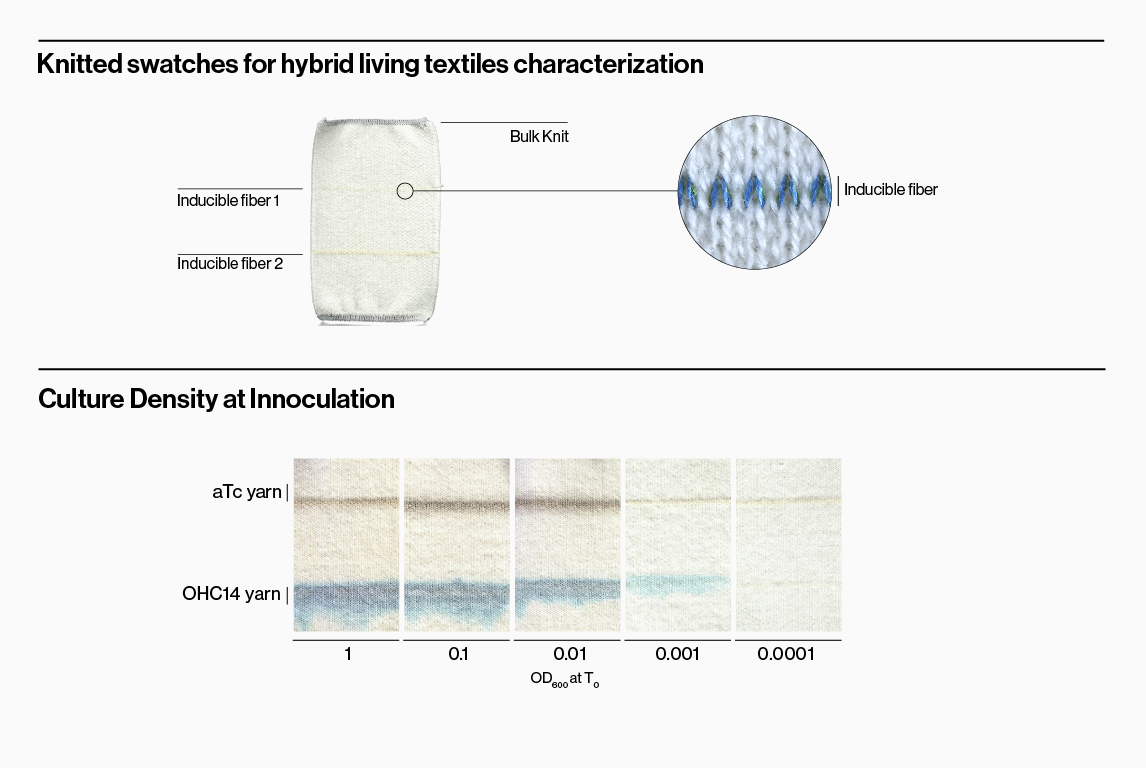
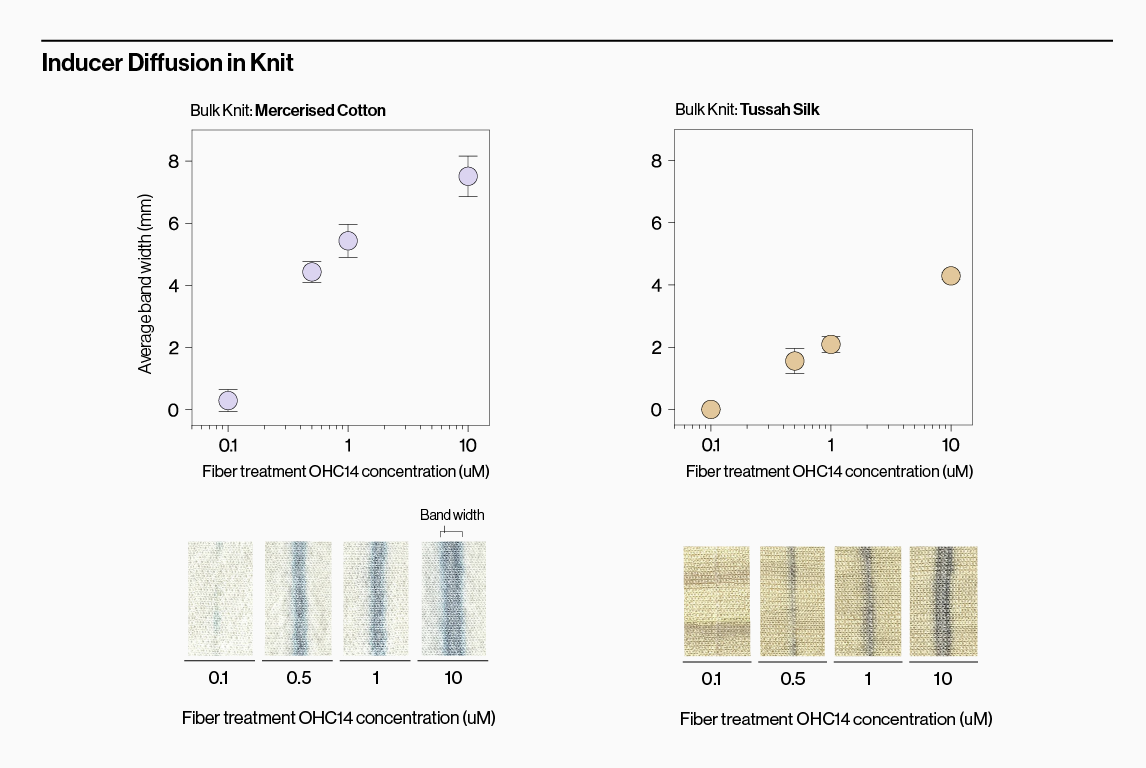
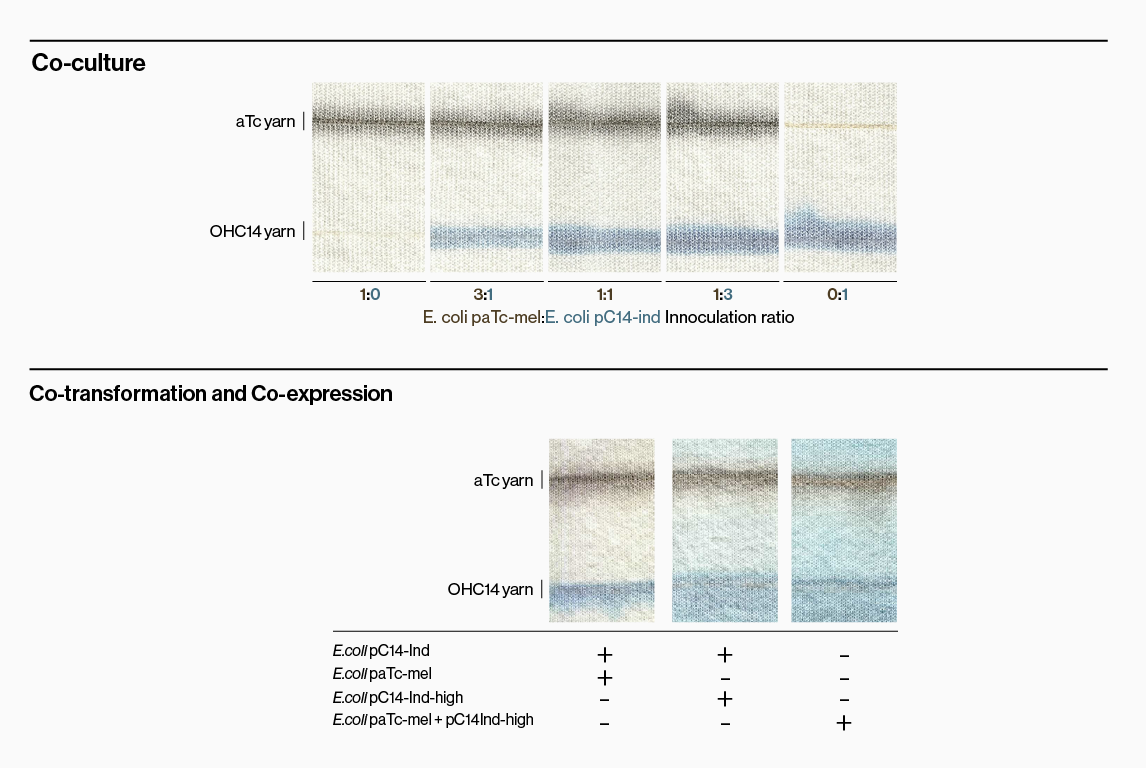
Textile is the architecture of fibers onto which cells can grow, sense, and deposit material. We use silk threads, whose individual silkworm-spun filaments measure a mere 10 to 20 µm, the scale of microorganisms. They are bound into bundles, the fascia of thread or yarn, to be knitted into the tissue and musculature of garment.
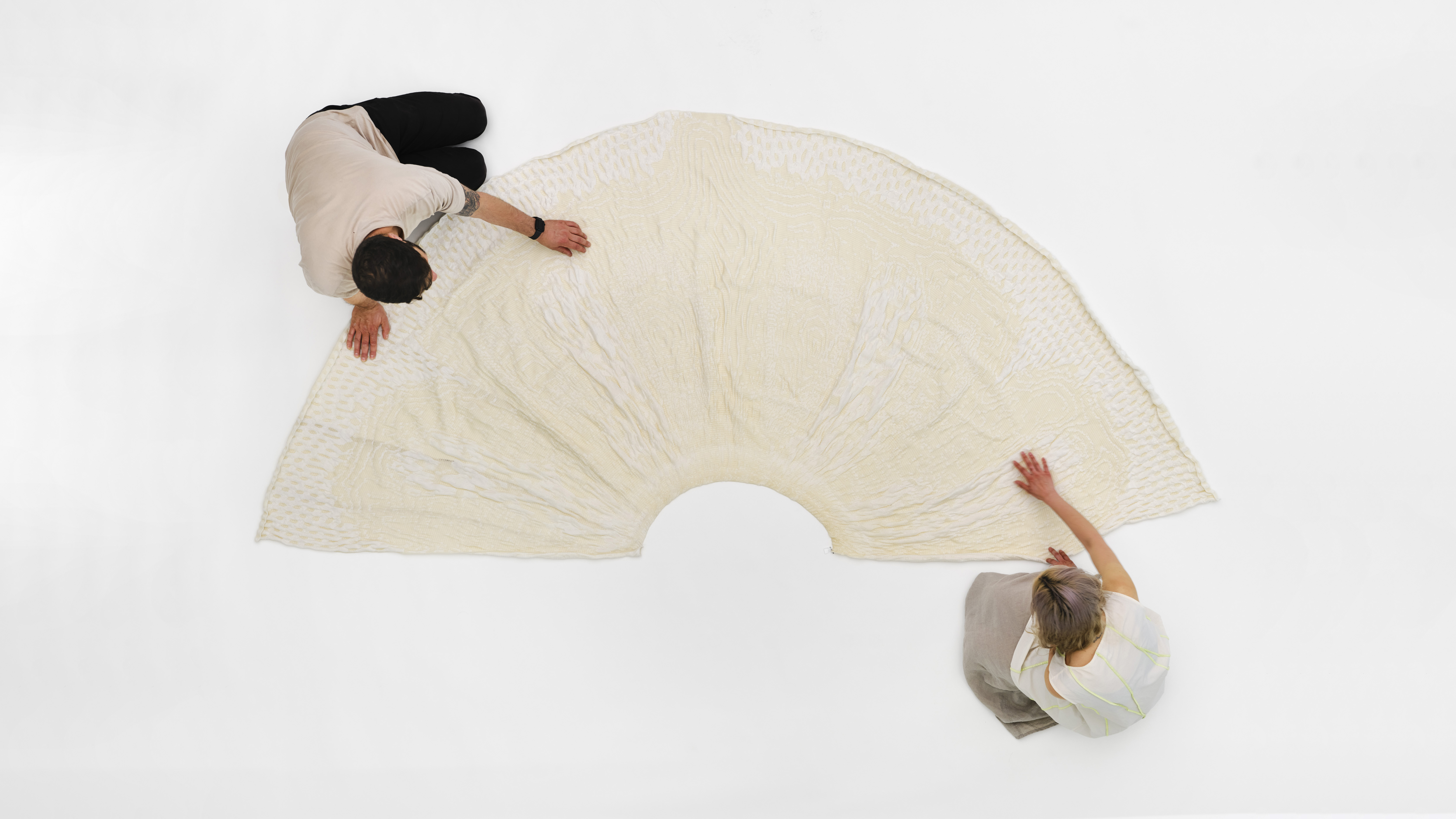
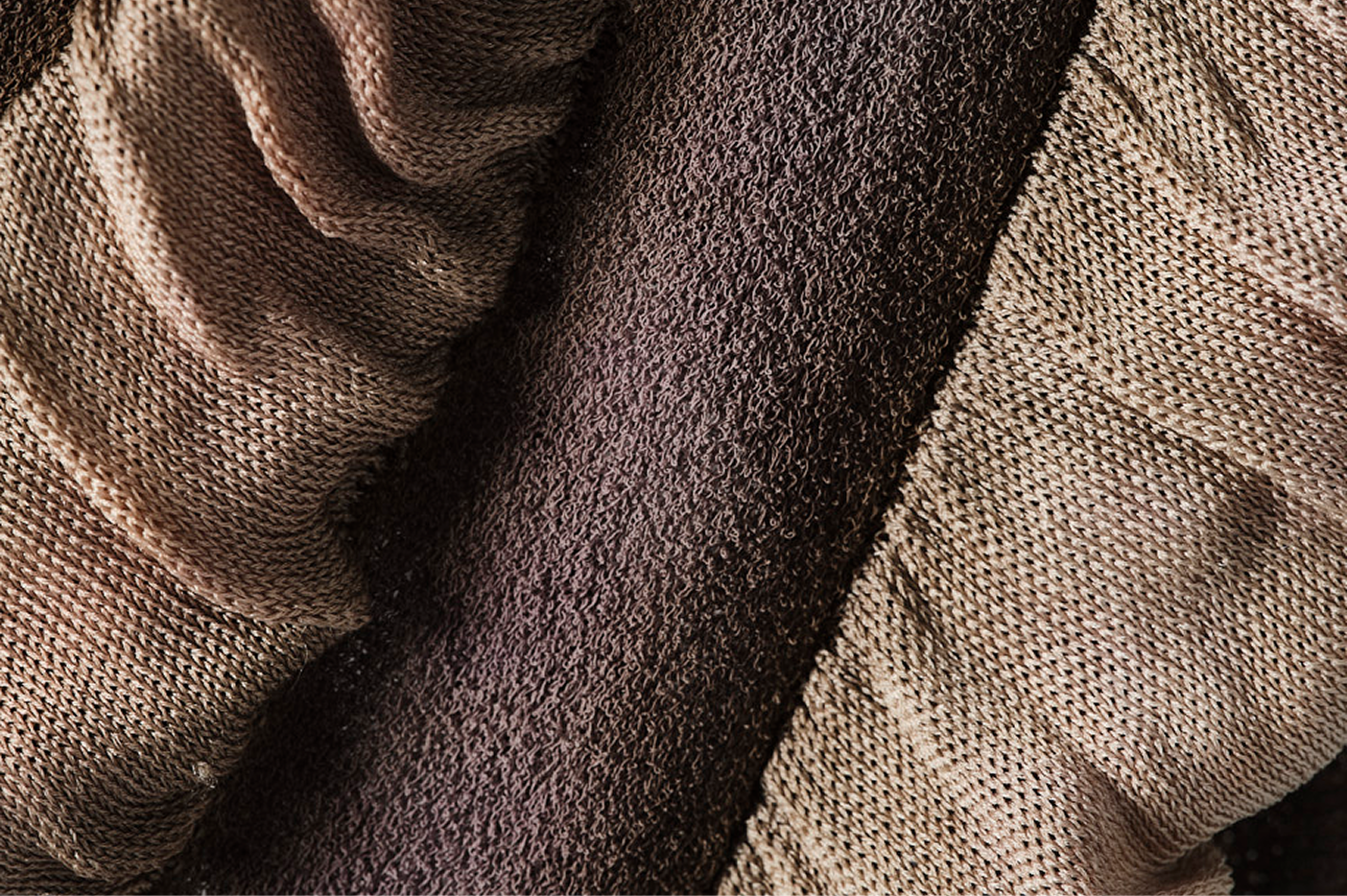
At each scale, structure determines behavior. The continuous strands of silk fibroin proteins align along the fiber axis for tensile strength. The high twist of silk crepe confers dynamic contraction upon contact with the moisture of biological systems. The looped topology of knit structure interlaces for stretch and recovery, for hand and drape.
3D knit creates a monolithic artifact. In CNC knit technology every stitch is individually programmable, giving the design process higher fidelity of control. A variety of fiber properties are brought together in one material though independently controlled yarn feed, and whose shape and assembly are performed by the selfsame machine. A knitted shoe upper, a prosthetic sleeve, a medical stent— formed whole, not assembled. The object is its own construction.
Product
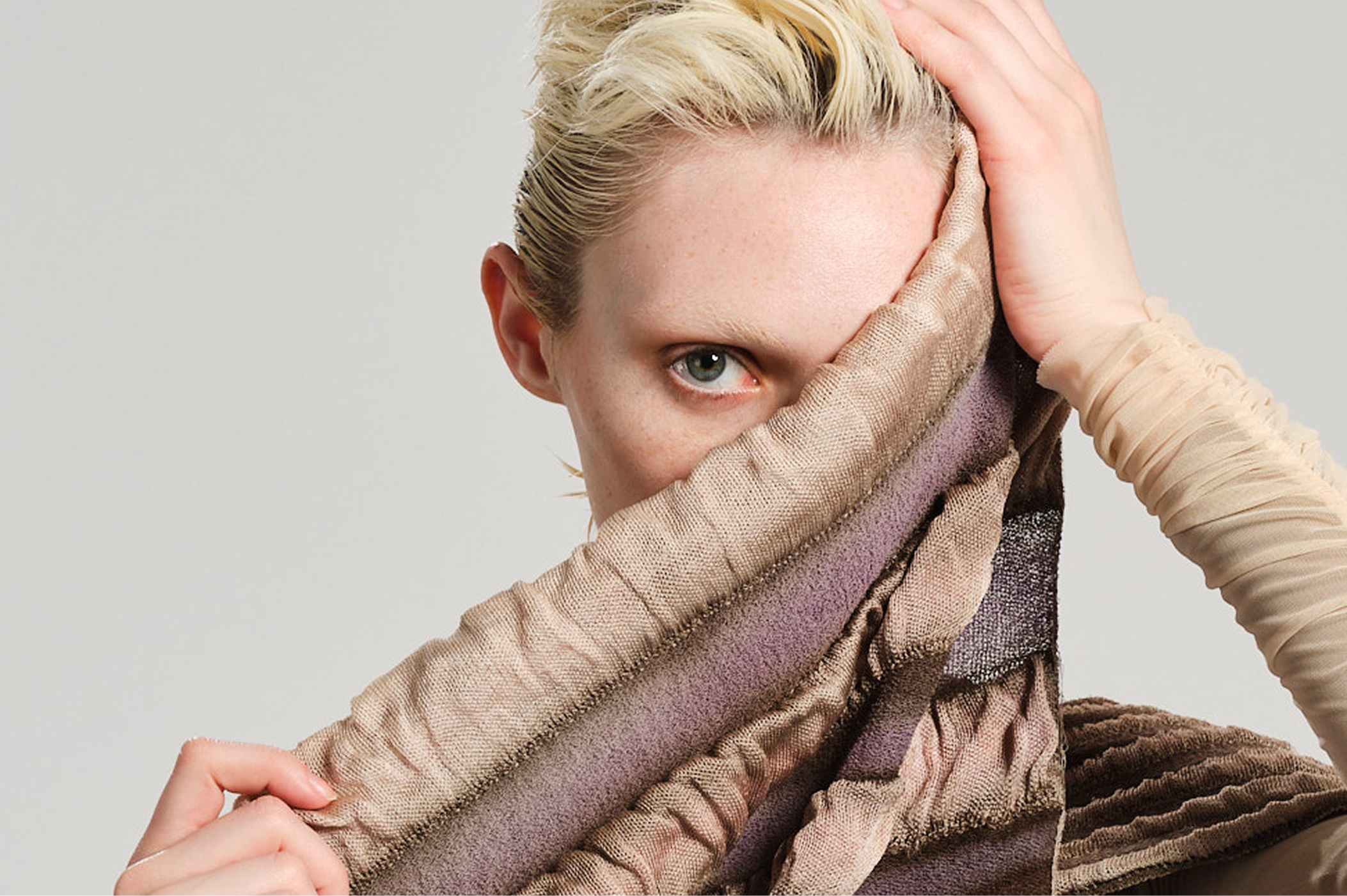
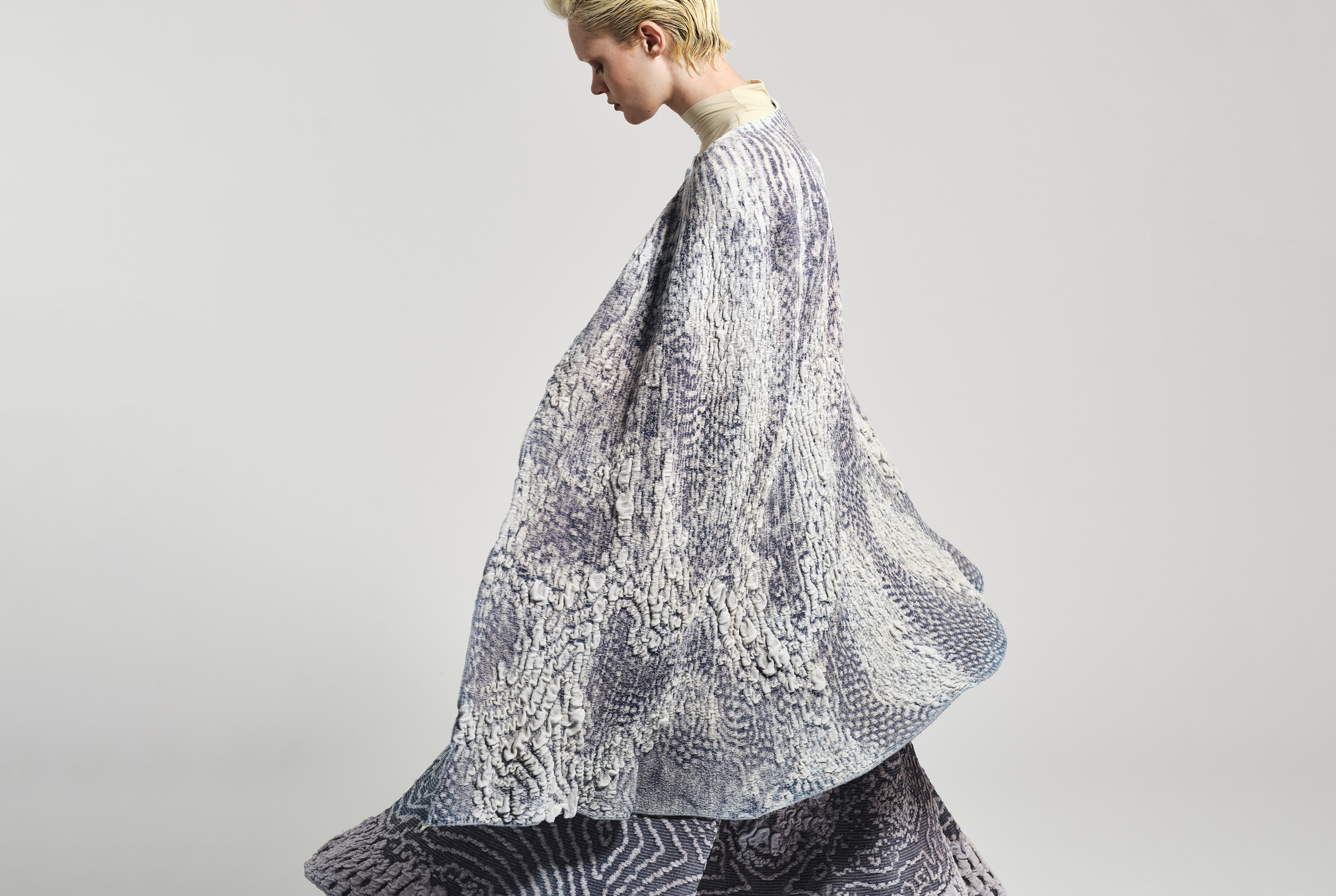
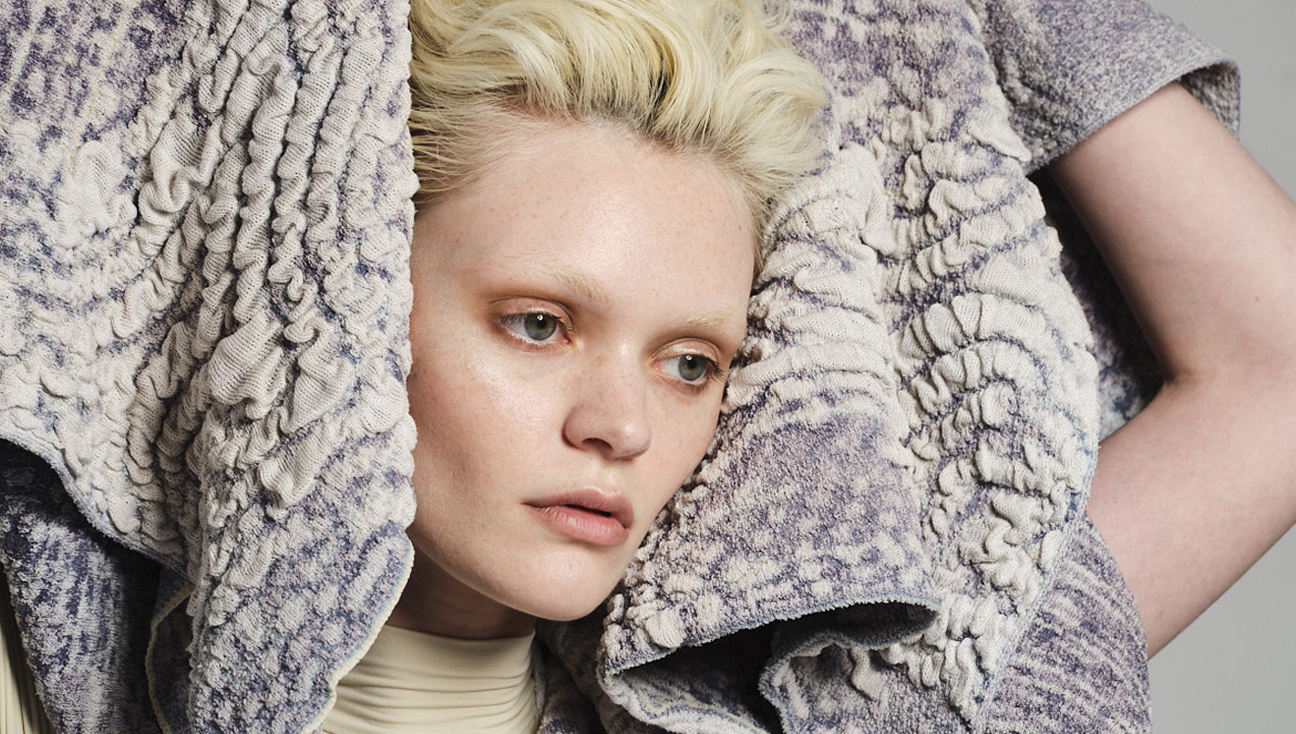
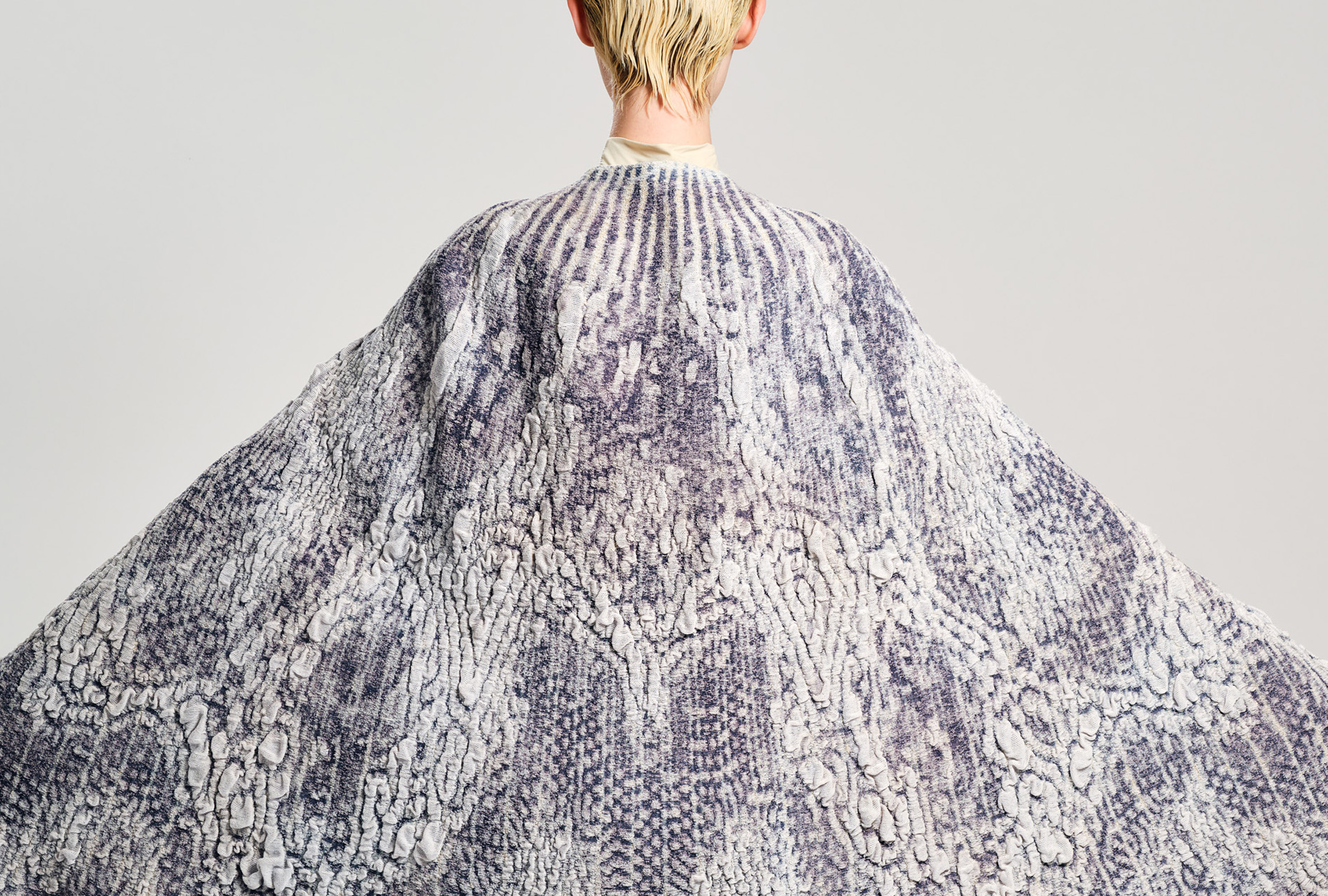
At the body scale, Vigils is a second skin, grown rather than cut and sewn. The ridges catch light and gesture, the sinuous lines flow with the body, the fabric weight shrouds shoulder and spine. The same biological tools that shape the iridescence of a butterfly wing, or the patterning of a jaguar's coat, we express in the design of garment and cloth. Over the course of the day, a billion bacterial cells per cubic centimeter of media labor. The brief and luminous lifetime of a culture embedding color into cloth.
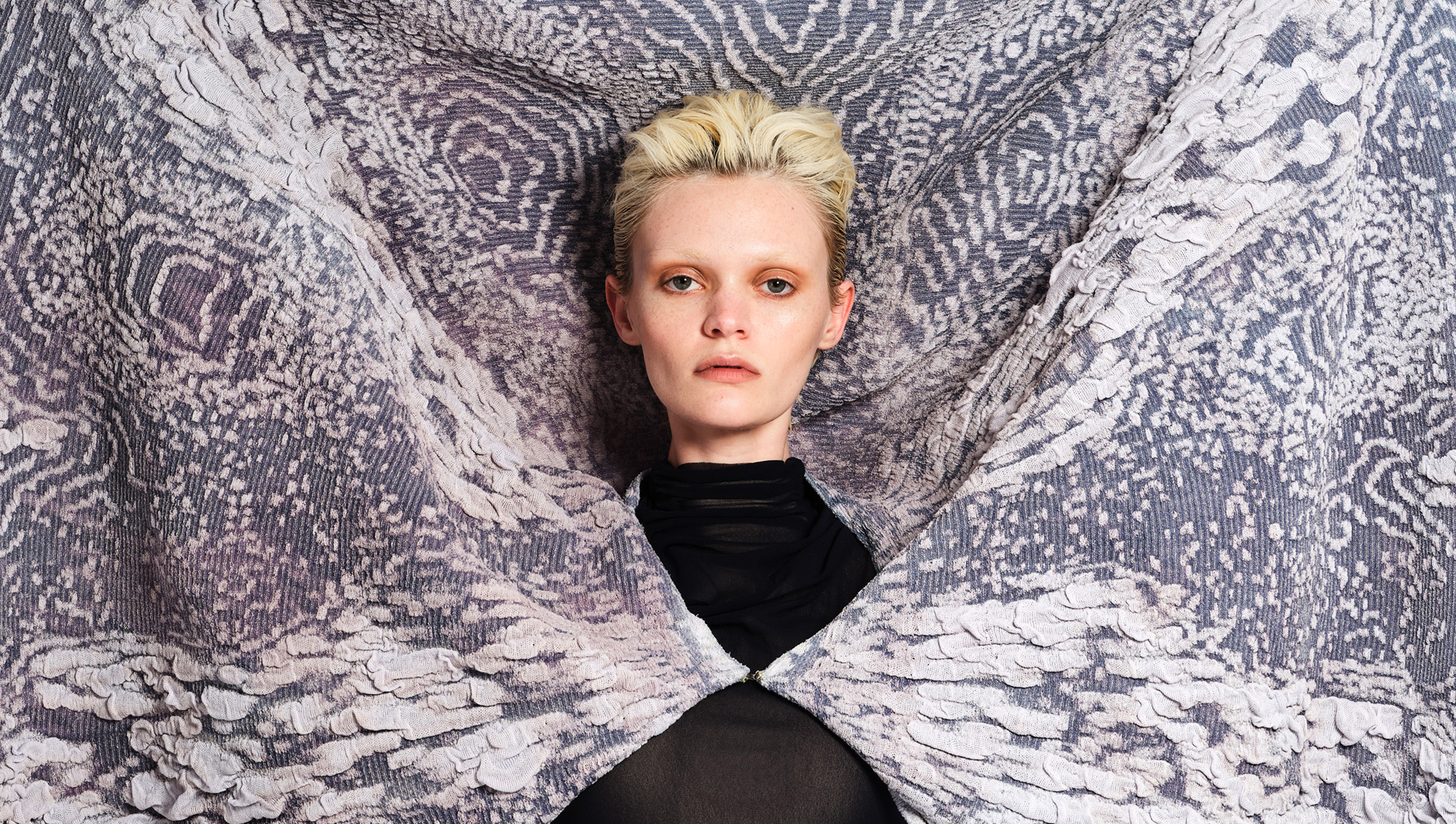
This series of capes resolve color, structure, and form in a single biological act. Born of collaboration between humans and bacteria, the garments are pigmented by a strain of E. coli engineered to produce two pigment classes, indigos and melanins. Vitality embedded in every thread.
Knitted seamlessly into conical form, the local ridges and valleys that emerge from the textile structure carry the programmed placement of microbial-inducer-coated fiber, positioned precisely at the apex and nadir of textile topology.
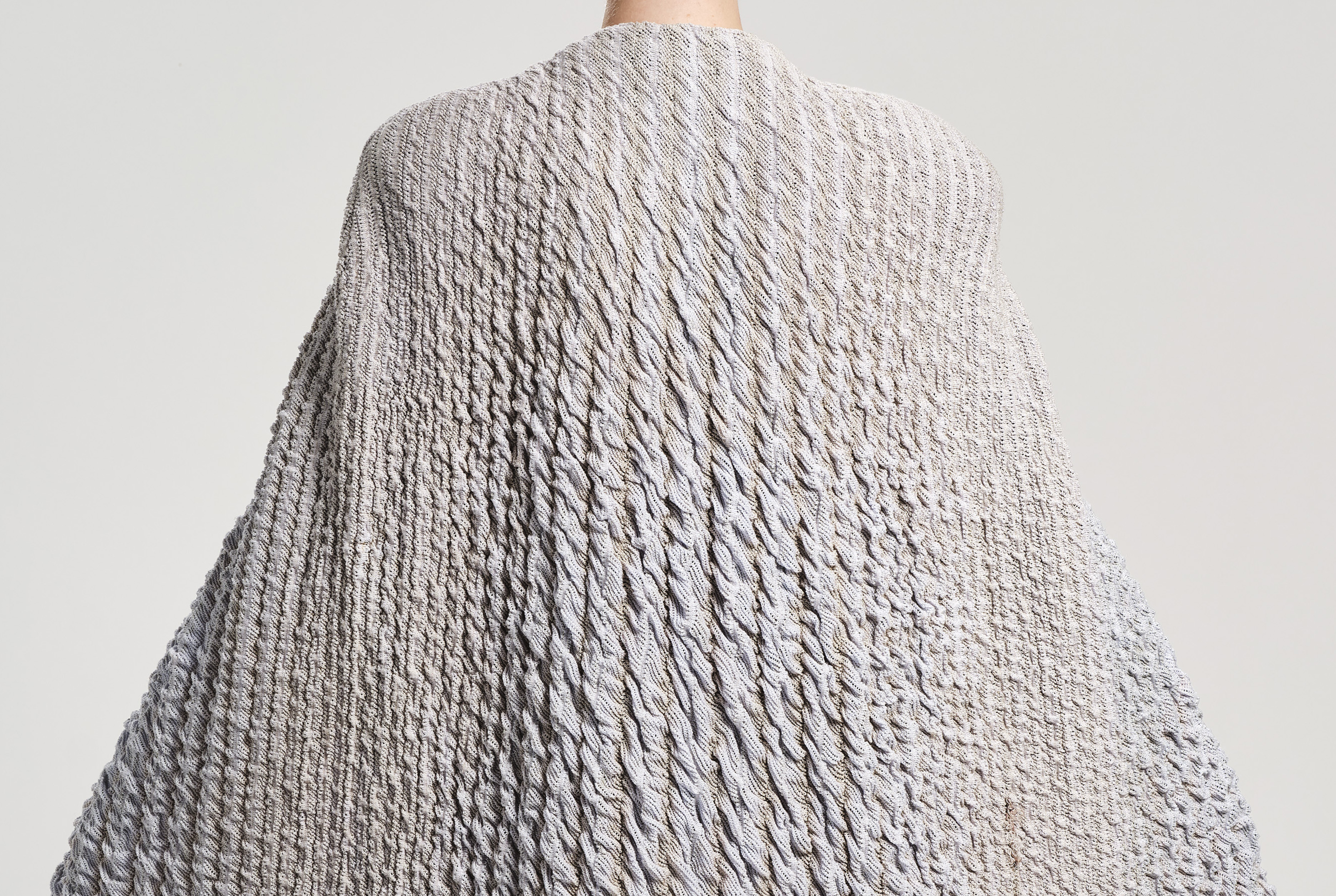
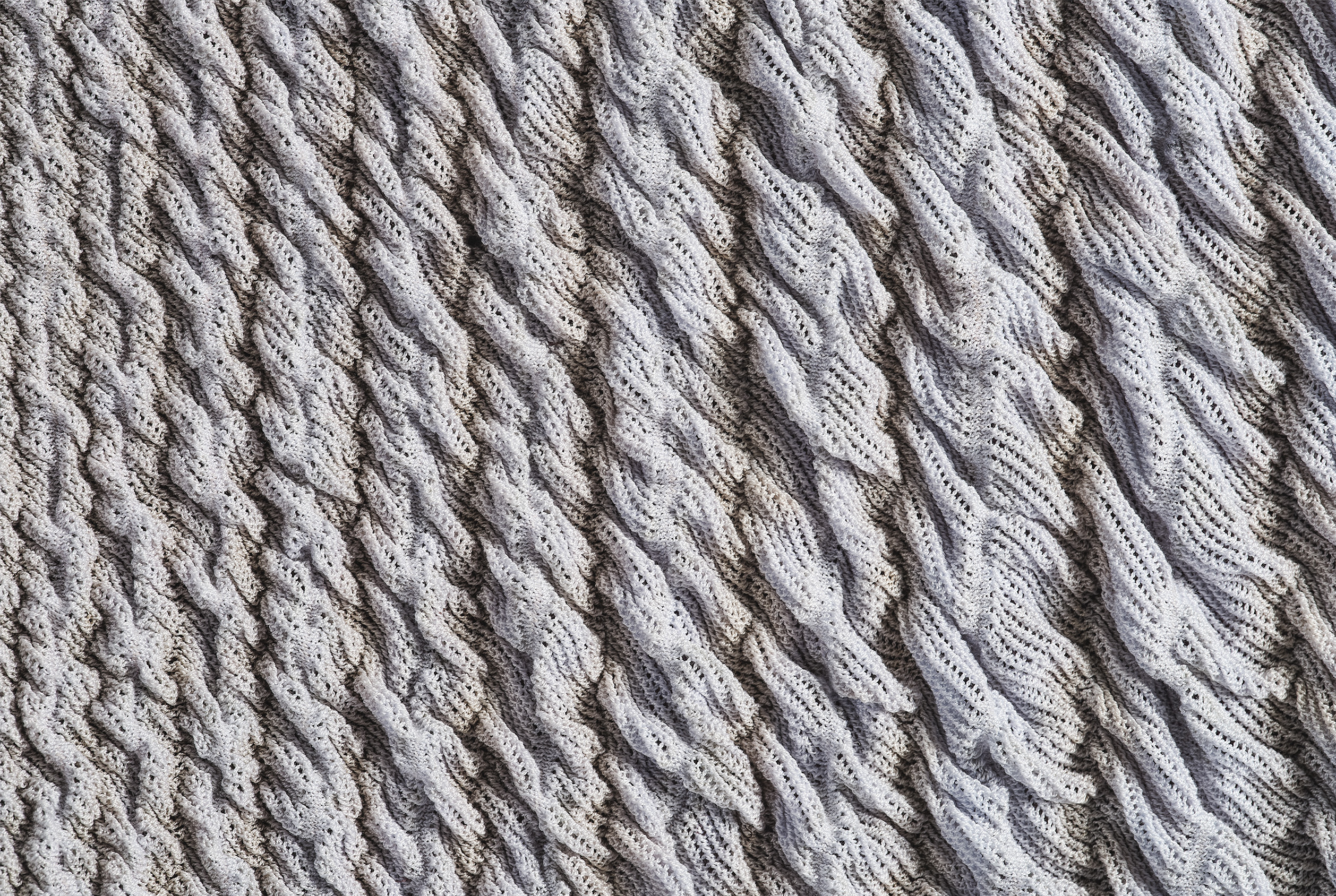
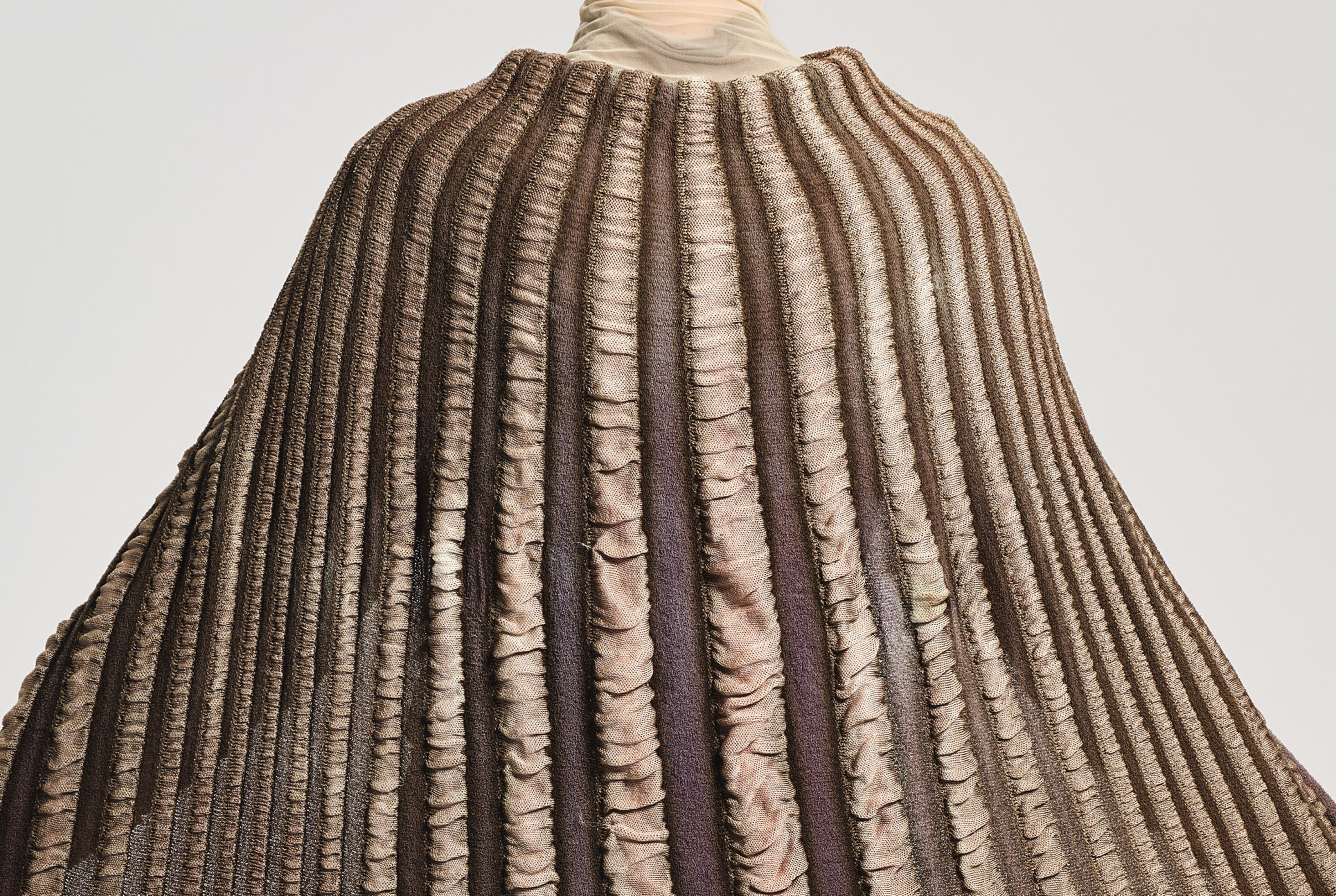
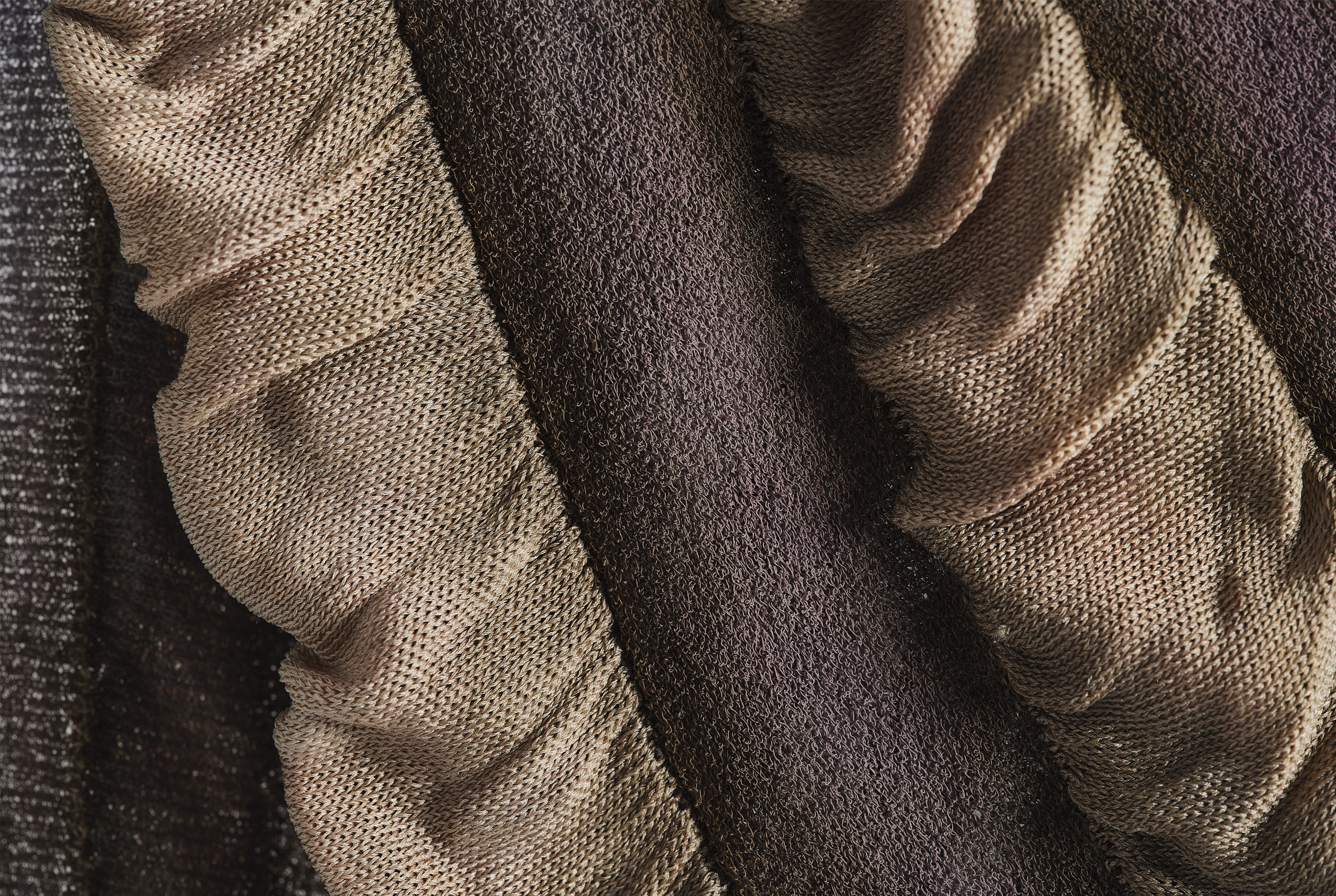
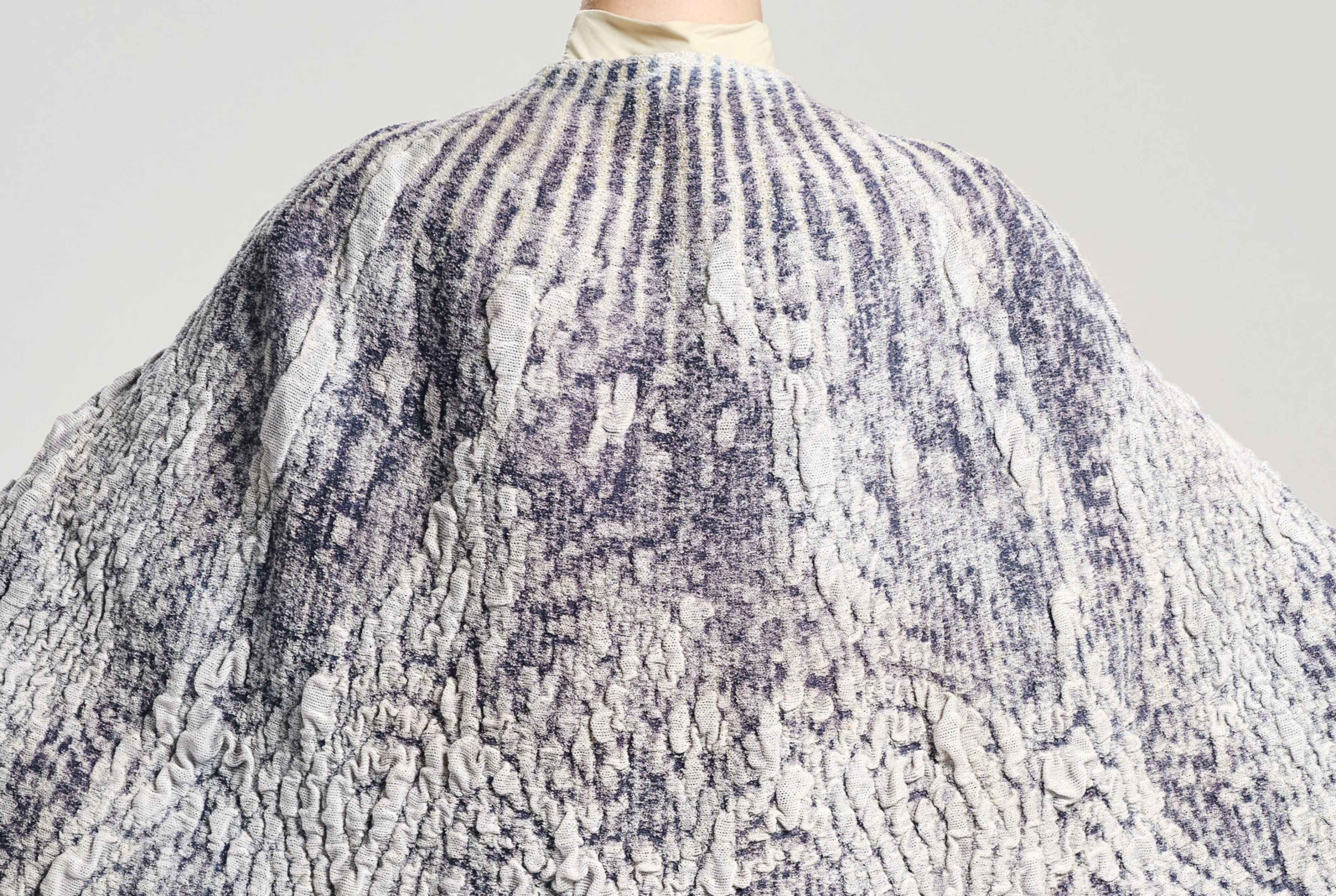
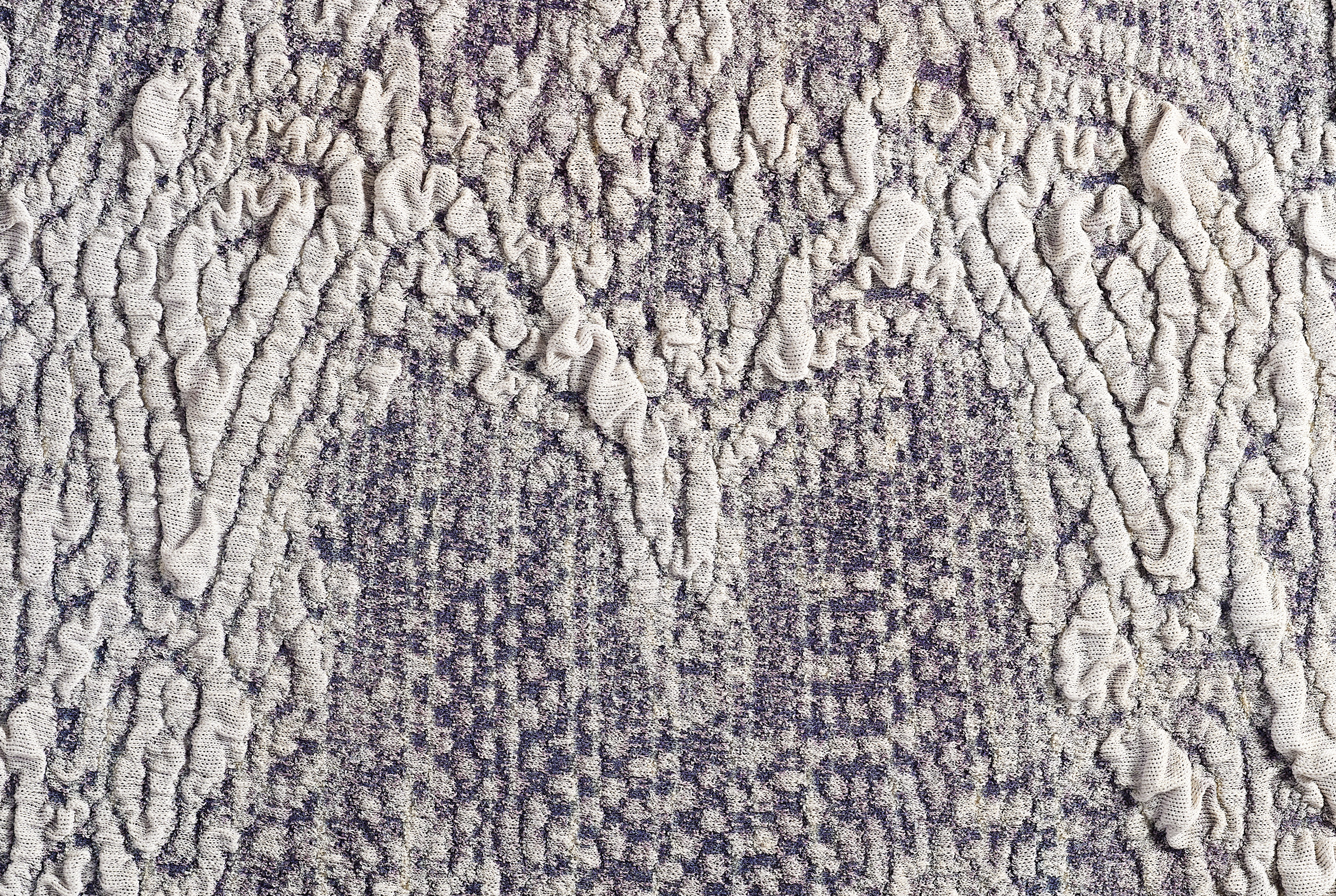
Fashion has always been expression; of identity, culture, transformation. Vigils proposes that this human expression can now begin at gene expression; that the language of biology and the language of design can be co-written. We empower the microorganism in shaping visual outcomes.
The process is neither the staid fixity of traditional textile methods, nor sheer abandonment to biological chance, but a negotiated design space, where the biological process is scaffolded, directed, and released. While the living process is long completed before the garment is worn, the object exists as an irreducible biological record of the lifeforce that moved through it.
Praxis
Industrial production is hostile to the complexity of living organisms, to their boundless complexity of growth, reproduction, evolution, metabolism, and sensation. Product development entails design, engineering, and assembly, whose logic is structured solely on predictable materials, reduced to mere input and output. Deviation is a defect to be rooted out. Living systems are domesticated into inertness, in sterilized substrates and fermentation tanks, until eliminated entirely.

Synthetic biology is a platform for creating living interventions in the making of objects and interfaces, for which bacterial pigmentation is a first step. Can enzyme-secreting bacteria modulate the softness and rigidity of textiles through selective degradation or cross-linking? If the world shifts from a paradigm of manufacturing to one of growing, the emergence of a new material behavior is inevitable.
Credits
Acknowledgements: Photography: Nicholas Calcott, Kristina Sumfleth; Model: Gray Harris; Make up: Daniel Pazos; Tailoring for Velum I and collar: Joel Diaz.
All images and videos courtesy of OXMAN